Cloud Productivity
Your team needs a reliable place to handle email, files and collaboration without juggling disconnected tools or guessing whether anything is configured correctly. The platform you run this on matters less than how properly it is set up.
We recommend the right platform for your business rather than whatever is easiest for us to sell, then configure it with proper email authentication, role based access control, and MFA enforced for every account.

Endpoint Detection and Response
Traditional antivirus checks files against known threats and stops there. Endpoint detection and response goes further, actively hunting for persistent threats including malware that evades standard defences, ransomware precursors, and signs of account takeover on your Windows devices.
Detections are reviewed by a dedicated Security Operations Centre and only escalated when action is genuinely required, so your team is not overwhelmed with false positives. Built for small to medium sized businesses, not enterprise sized noise.

Password Management
Weak and reused passwords remain the most common cause of account compromise for small businesses. A proper password manager gives every staff member an encrypted vault and allows secure credential sharing within your team without anyone ever seeing each other's actual passwords.
We look for tools that are independently audited and significantly more cost effective than legacy enterprise password managers, since a small firm should not be paying enterprise pricing for a basic security control.

Security Awareness and Dark Web Monitoring
Your team is the most common entry point for a cyber incident, not your firewall. Automated security awareness training delivers short, engaging modules that teach staff to recognise phishing attempts and handle sensitive client data properly, without taking up a whole afternoon.
Dark web monitoring runs alongside this, alerting you if your business email addresses or credentials appear in known data breaches, so you can act before attackers do rather than after.

Device Procurement and Configuration
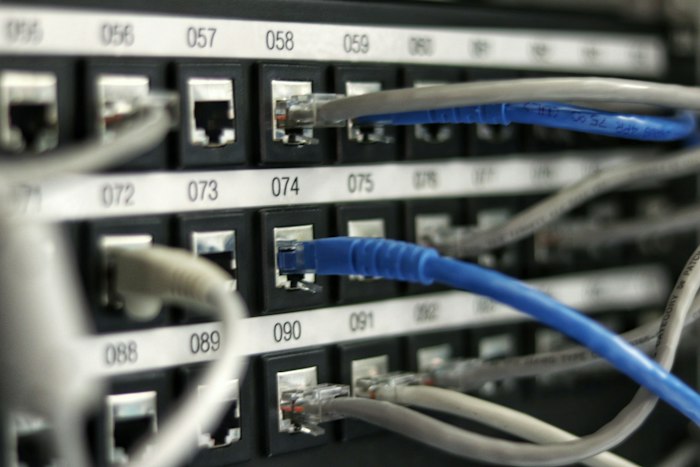
Sourcing dependable business grade laptops, desktops and network equipment, then configuring every device before it arrives at your office, means your cloud accounts, security tools and access permissions are already set up on day one rather than left to the new starter to sort out.
We also track your device refresh cycle and flag when hardware is approaching end of life, so you are never caught with ageing equipment at a critical moment.

Cloud Backup
Cloud platforms are not backup solutions. Deleted emails and files can be permanently lost once retention windows expire, and ransomware can propagate straight into cloud storage if nothing separate is in place to catch it.
A proper cloud backup runs automated daily snapshots with granular point in time recovery, and compliance friendly retention policies that suit legal, financial and health practices with data retention obligations.
Email Security
Native filtering catches obvious spam, but sophisticated phishing and business email compromise scams that impersonate a director or supplier still get through, and professional services firms handling client funds or sensitive records are a frequent target.
A dedicated email security layer adds link and attachment scanning at the moment someone actually clicks, checks for lookalike domains attempting impersonation, and threat intelligence that updates faster than built in filtering alone.

Email Signature and Branding
Once a team grows past one or two people, self managed signatures tend to drift, different fonts, missing legal disclaimers, a logo that has been out of date for two years. A centrally managed signature applies the same design and disclaimer to every outgoing email, whether someone is on Outlook desktop, a phone, or webmail.
It also means updating a phone number or a seasonal banner once rather than asking every staff member to edit their own signature, and regulated firms get compliance disclaimers added automatically rather than relying on people to remember.

Remote Monitoring and Management
Ongoing visibility into the health of every device in your fleet catches the quiet problems before they become a support call, a patch that failed to install, a disk quietly filling up, a service that stopped running overnight.
This sits alongside the rest of the stack as background monitoring and alerting rather than a helpdesk tool, fitting a model built around fixed scope projects rather than an ongoing ticket queue.